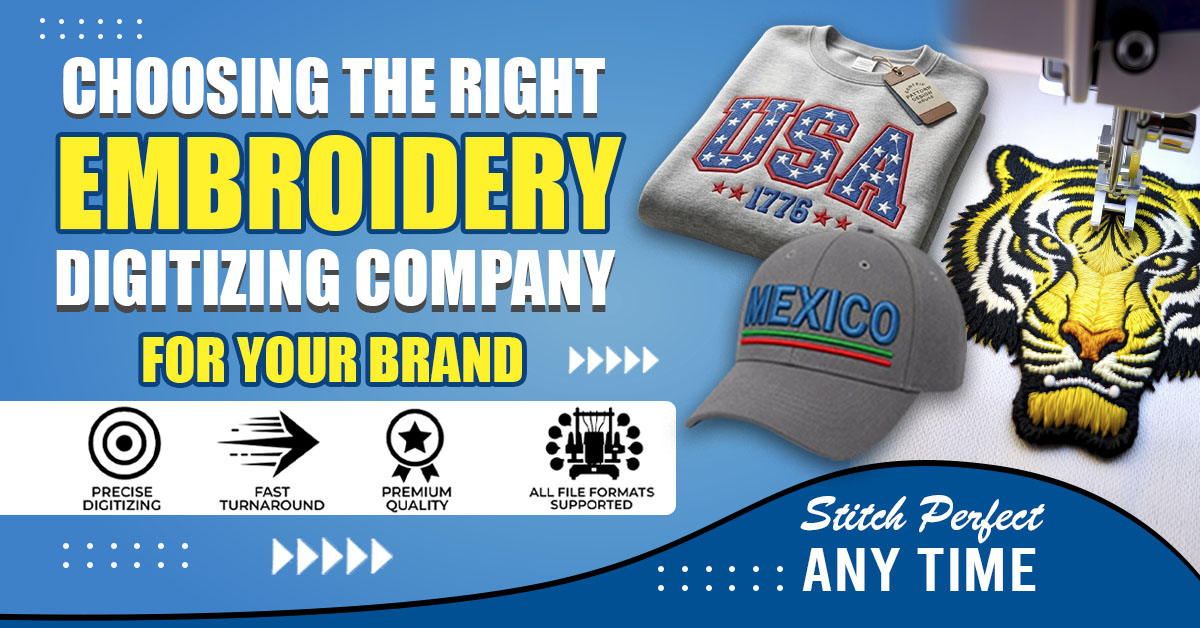
Choosing the Right Embroidery Digitizing Company for Your Brand
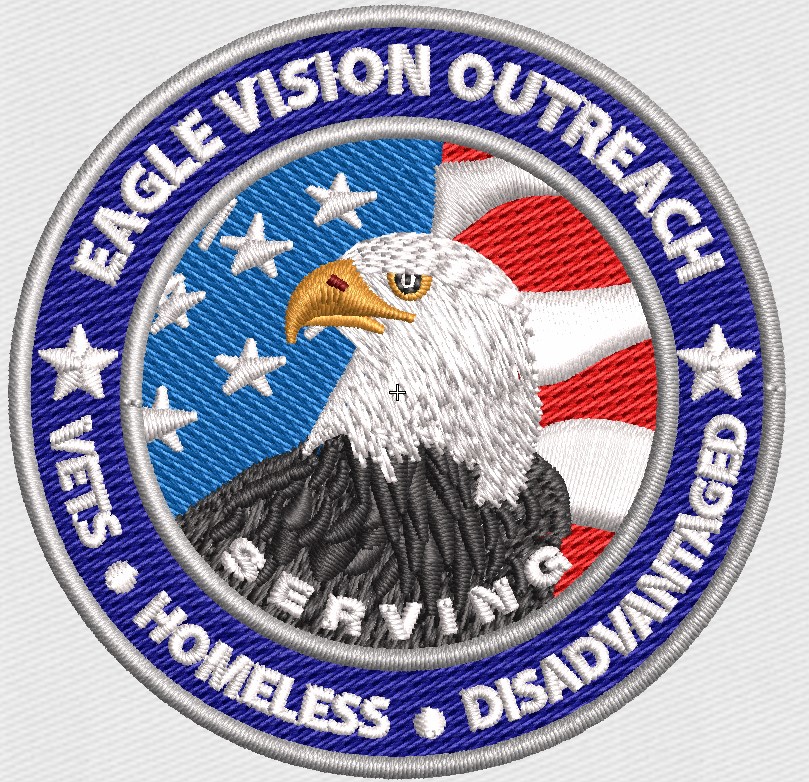
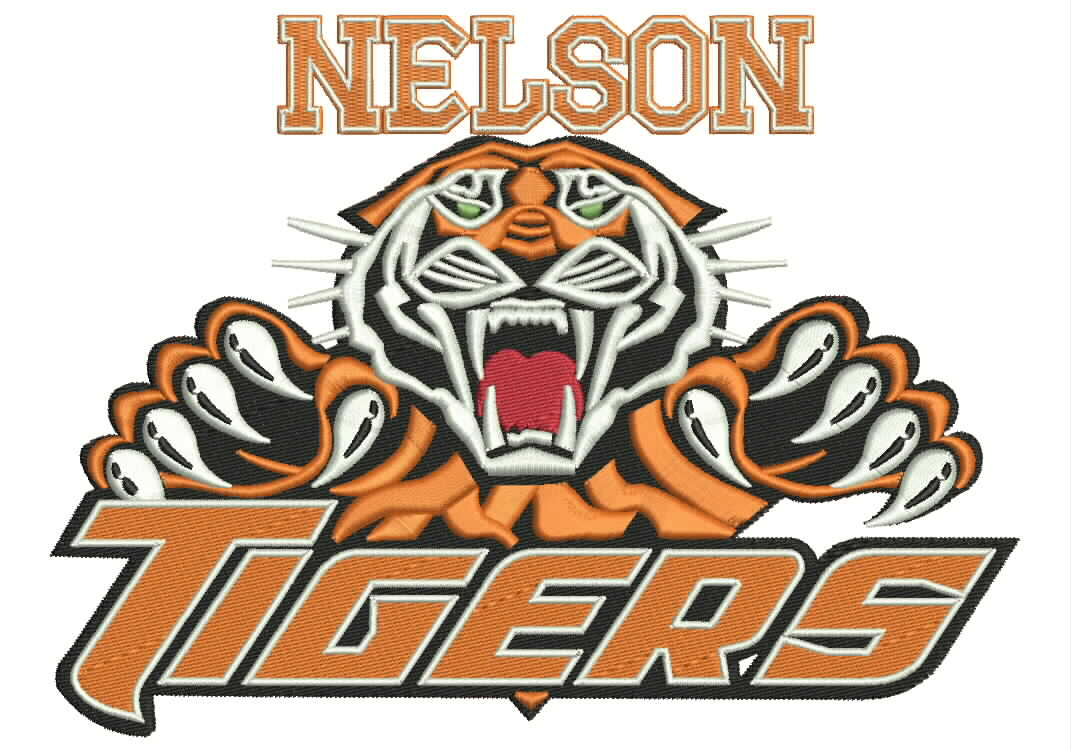
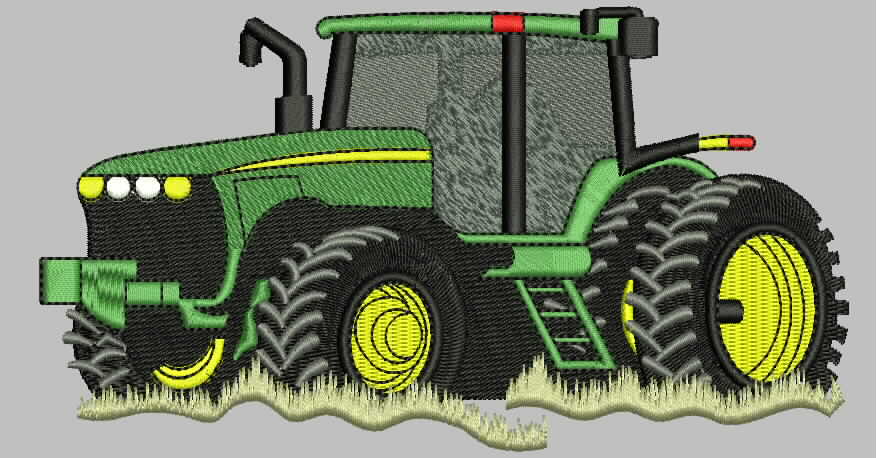
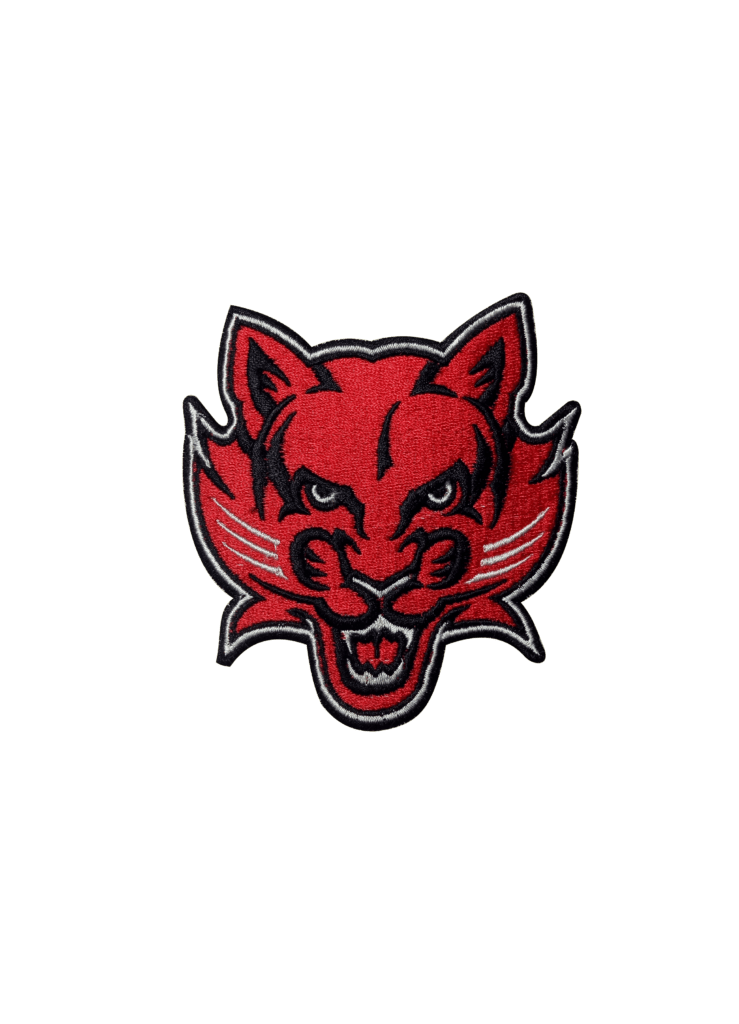
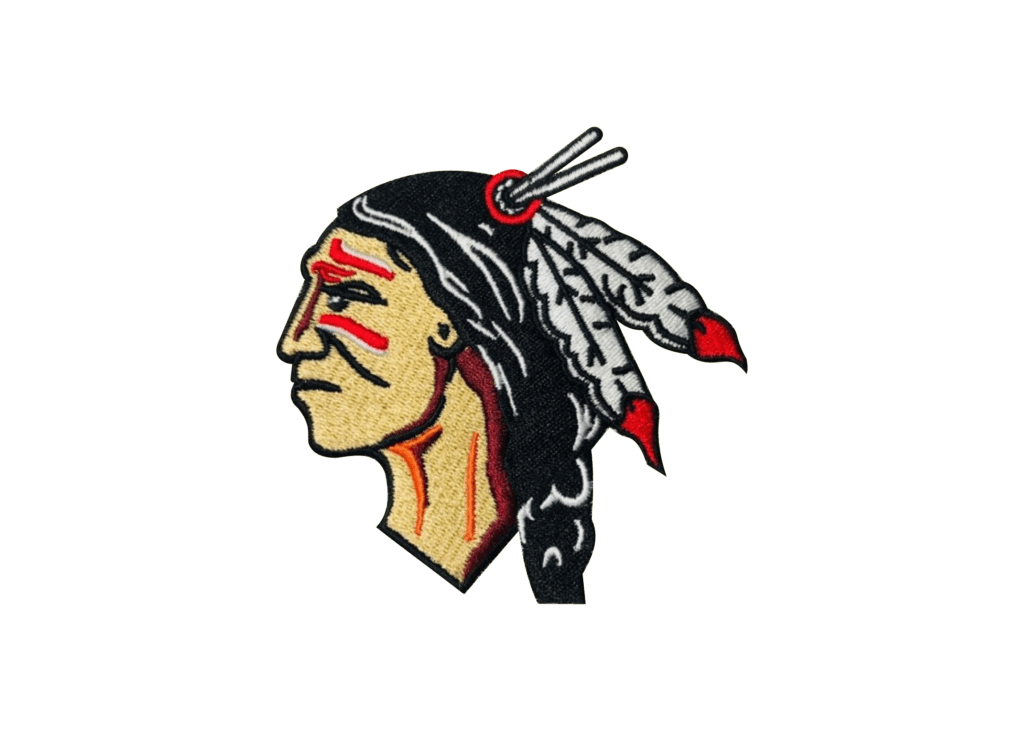
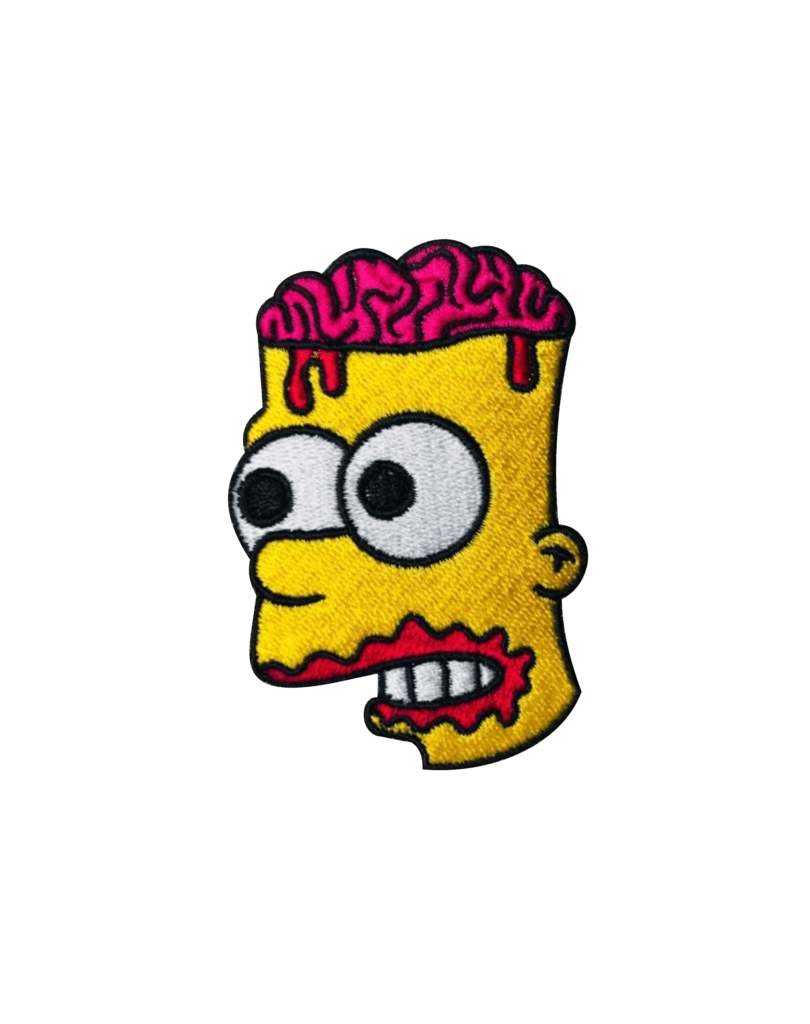
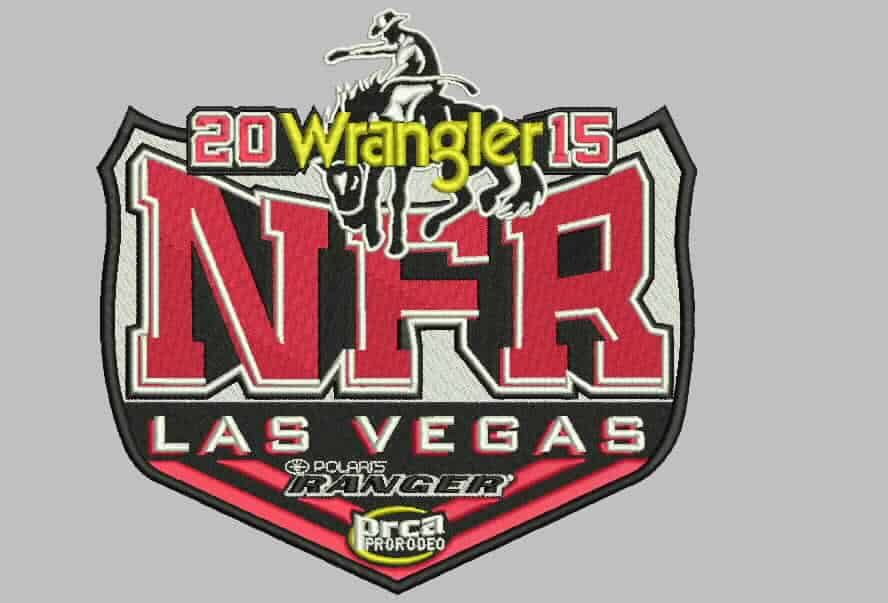
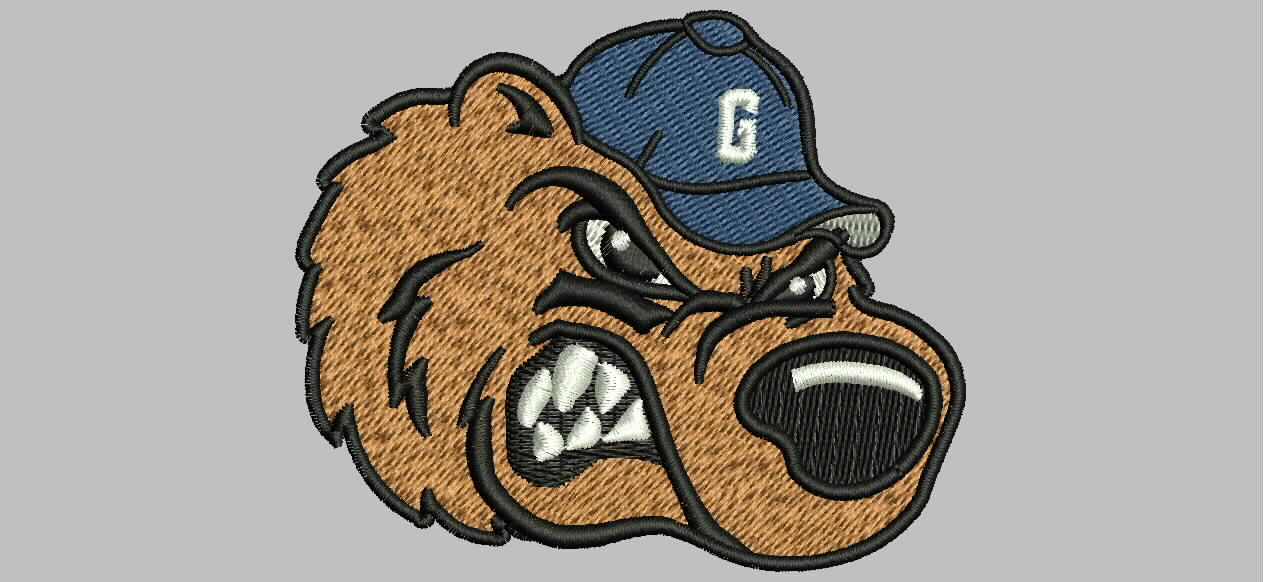
When it comes to apparel and merchandise, quality starts long before the machine starts stitching. You start with embroidery digitizing, which converts your designs into high-quality embroidery files.
If you choose the wrong partner, you’ll have thread breaks, fabric puckering, and inconsistent brand representation. Choosing the right embroidery digitizing company, however, determines your production turnaround times, color accuracy, and overall brand consistency.
You can use this guide to ensure you partner with a service provider who fits your brand goals and budget.
Embroidery Digitizing: Why Do We Need It?
Digitalizing involves converting artwork (logos, text, graphics) into a machine-readable file format that tells your embroidery machine where to stitch, what type of stitch to use, and how dense to stitch.
Quality matters:
Prevents production issues: Expert digitizing prevents thread breaks, color bleeding, and puckering.
Scalability: Finding a reliable partner who provides standardized file formats that work across different machines is key to growing your business.
Precision edge definition and color management ensure your logo looks the same on a promotional hat as it does on a corporate polo.
What to look for in a digitizing partner
Don’t just look at the lowest price point when evaluating potential agencies. Make sure you focus on these pillars:
1. Portfolio and experience
You can’t just take their word for it. Check their portfolio to see if they have experience in your niche (caps, performance wear, heavy jackets).
You can test their technical skills by asking for samples of their work with designs like yours — like small text, fine lines, and complicated gradients.
2. Quality and technique of stitches
Good digitizing partners understand fabric/stitch relationships. It’s important they know how to balance:
The right way to use fill, satin, run, and underlay stitches.
Compatibility: Depending on whether you’re embroidering on silk or canvas, adjust the density.
3. Formats and compatibility
Make sure the provider can deliver the formats your machines require (e.g., DST, PES, EXP, CND, EMB). Look for a vector-to-stitch workflow that’s scalable.
4. Capacity and turnaround time
Speed is key to your supply chain. Check out:
Routine orders have standard turnaround times.
During peak seasons, we can handle rush orders.
5. Intellectual property and color management
Make sure your provider uses standardized thread charts (like Pantone). Always clarify ownership: make sure your brand owns the files, not the digitizing company.
Aqua Digitizing: Why Choose Us?
You need a partner who combines technical expertise with client-first thinking. Aqua Digitizing bridges the gap between artistic vision and technical precision. In addition to making sure your logo looks professional on every piece of merchandise, they prioritize clean stitch paths and intelligent color separations.
If you are looking for a partner that understands the nuance of fabric density and thread count, [Link: Learn more about Aqua Digitizing Services].
How to Evaluate and Select (How-To Guide)
You can systematically vet your next digitizing partner by following these steps:
Define Your Brand Needs: Describe your fabric type, garment count, stitch density, and color scheme.
Collect and test samples: Send your most complex logos and small text elements.
Make sure to compare quotes and turnarounds: If quality is important, choose value and reliability over price.
Review proofing and revision flow: Make sure you’ll get proofs before production and have a smooth revision process.
Start with a small batch and validate quality, timing, and communication.
Before you hire: Questions to ask
During your outreach, ask these eight questions to potential partners:
How do you optimize stitch counts based on fabric types?
Is it possible to get test samples for our specific garments (like polo shirts, jackets, caps)?
What’s included in your standard quote?
Is Pantone color matching available?
Can you do rush jobs? What’s your standard lead time?
We want our IP and design files protected, how do you do that?
Can you convert vectors to stitches?
How do you handle payment for a project like ours?
Avoid these embroidery digitizing mistakes
These traps can even catch experienced brands. Don’t work with anyone who:
Densify stitches too much: This causes fabric to pucker.
Text will be blurry and unprofessional if you ignore edge definitions.
Don’t use underlay: This leads to distortion, especially on curved surfaces.
Colour Management: Inconsistent thread palettes lead to brand drift.
Maintaining brand consistency: Best Practices
Maintain quality once you’ve selected a partner:
Make sure you include logos, color codes, and fabric details in your briefs.
Make sure every production batch matches the previous one by creating a central library.
Before you commit to large-scale production, run a small batch to test quality, communication, and timing.
FAQs
1. What’s the best embroidery file format?
DST (Data Stitch Tajima) is the most common embroidery file format. Depending on the machine brand, formats like PES (Brother), EXP (Melco), or CND may also be needed. Make sure the files are compatible with your embroidery hardware before you request them.
2. What does professional embroidery digitizing cost?
Digitalizing costs vary based on design complexity, size, and stitch count. There’s a flat fee of $10 to $50 per design, or a per-thousand stitch rate. Logos on the left chest or full-back jackets cost more than simple text.
3. How are vector files different from digitized embroidery files?
Vector files (like .AI or .EPS) allow graphic art to be scaled for print and web. Embroidery files (like .DST or .PES) translate visuals into stitch instructions, density maps, and color commands that a machine can follow.
Final thoughts
Your brand’s reputation depends on choosing the right embroidery digitizing partner. Make sure your merchandise consistently delights your customers by prioritizing technical skill, clear communication, and reliable turnaround times.
Ready to take your embroidery to the next level? Aqua Digitizing can help with your project. [Contact us today].